
Toenail fungus, foot fungus and natural nail care - understanding the causes, symptoms and science behind New Zealand Manuka oil.
Noticed a yellow toenail, a thickened nail or a nail that seems to be becoming brittle? You're not alone.
Toenail fungus is a common nail condition, particularly among adults who spend long hours wearing enclosed shoes, exercise regularly or experience sweaty feet.
It's also a condition that prompts plenty of questions about natural ingredients, including Manuka oil.
But what actually causes fungal toenails? How is foot fungus different? And what does scientific research tell us about the antifungal properties of Manuka oil?
Let's explore the evidence and some practical ways to care for your feet and nails.
What Is Toenail Fungus?
Toenail fungus, medically known as onychomycosis, is a fungal infection affecting the nail or the skin beneath it.
It is commonly associated with a group of fungi called dermatophytes, although yeasts and other moulds can also be responsible.
Fungi thrive in warm, damp environments, making feet particularly susceptible when they're regularly enclosed in shoes or exposed to communal wet areas.
Common signs of toenail fungus
Changes to watch for include:
-
Yellow, white or brown discolouration
-
Thickening of the toenail
-
Brittle, crumbly or uneven nail edges
-
A nail beginning to separate from the nail bed
-
Discomfort or pressure when wearing shoes
-
Changes affecting one or several toenails
Not every discoloured or thickened toenail is caused by fungus. Injury, psoriasis and other nail conditions can look similar, so professional assessment is worthwhile before beginning treatment.
Foot Fungus vs Toenail Fungus: What's the Difference?
Although the terms are often used interchangeably, foot fungus and toenail fungus are not quite the same.
Foot fungus, commonly called athlete's foot or tinea pedis, generally affects the skin, particularly between the toes or across the soles.
It may cause itching, peeling, redness, scaling or cracked skin.
Toenail fungus affects the nail itself, often causing changes in colour, thickness and texture.
The two conditions can occur together. In some cases, a fungal infection affecting the skin can spread to the toenails.
Understanding the difference matters because skin and nail infections may require different antifungal treatments.
Why Does Toenail Fungus Develop?
Several everyday factors can contribute to the conditions in which fungal infections develop.
These include:
-
Wearing enclosed shoes for extended periods
-
Sweaty feet and damp socks
-
Walking barefoot in communal showers or pool areas
-
Repeated nail injuries or pressure from footwear
-
Sharing nail clippers, towels or footwear
-
Existing athlete's foot
-
Age-related nail changes
Keeping feet clean and dry, changing socks regularly and wearing breathable footwear are useful habits for maintaining foot hygiene.
Manuka Oil and Toenail Fungus: What Does Science Say?
Native to New Zealand, the Manuka plant (Leptospermum scoparium) produces an essential oil containing a distinctive combination of naturally occurring compounds.
Manuka oil has attracted scientific interest because of its antibacterial, antifungal and anti-inflammatory properties investigated in laboratory and experimental research.
Antifungal activity
A laboratory study by Christoph and colleagues (2000) compared the antimicrobial activity of several essential oils, including Manuka and Kanuka oils.
The researchers observed inhibitory activity against dermatophytes, a group of fungi associated with infections of the skin and nails. They also investigated the contribution of naturally occurring compounds known as beta-triketones.
A scientific review published in 2020 examined Manuka oil's antimicrobial properties, including laboratory findings involving several fungal species.
These findings help explain why Manuka oil continues to attract interest in natural skincare research.
Antibacterial activity
Manuka oil has also been investigated for activity against several types of bacteria under laboratory conditions.
The composition of Manuka oil can vary depending on where the plant is grown and how the oil is produced, which can influence the activity observed in research.
Anti-inflammatory research
Research has also explored Manuka oil's anti-inflammatory potential and it's soothing properties.
Can You Use Manuka Oil in a Foot-Care Routine?
Essential oils are concentrated botanical ingredients and should always be used thoughtfully.
For people interested in incorporating Manuka oil into a general foot-care routine, it's important to follow the product's directions, use an appropriate dilution where required and avoid applying essential oils to broken, irritated or infected skin without professional guidance.
What about a Manuka oil foot soak?
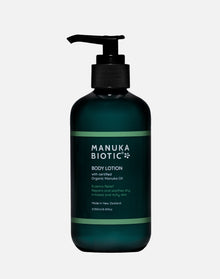
A simple lukewarm-water foot soak with a few drops of Manuka oil, followed by thorough drying - especially between the toes - is a gentler option. You can apply the Eczema Relief Body Lotion after the soak and cover overnight with a clean cotton sock to lock in the moisture.
Seven Everyday Habits for Healthier Feet and Nails
Good foot hygiene is particularly important when you're prone to sweaty feet or spend long periods wearing enclosed shoes.
1. Keep feet clean and dry
Wash your feet gently and dry them carefully, particularly between the toes.
2. Choose breathable footwear
Allow air to circulate around your feet where possible, and avoid spending unnecessary time in damp shoes.
3. Change socks regularly
Fresh, dry socks can help reduce the moisture that builds up around your feet.
4. Trim toenails carefully
Keep nails neatly trimmed without cutting too close to the skin. Avoid sharing nail clippers or other personal grooming tools.
5. Protect your feet in communal areas
Wear jandals or shower sandals around shared pools, changing rooms and communal showers.
6. Pay attention to athlete's foot
Itchy, peeling or cracked skin between the toes may need assessment and antifungal treatment. Addressing athlete's foot can also help reduce the risk of fungus spreading to the nails.
7. Seek advice when your nails change
If a toenail becomes persistently yellow, thick, brittle, painful or begins lifting away from the nail bed, seek advice from a pharmacist, podiatrist or healthcare professional.
Discover New Zealand Manuka Oil
At Manuka Biotic, we're passionate about the distinctive botanical ingredients found in New Zealand.
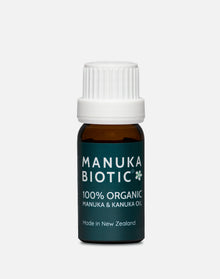
Our 100% Organic Manuka brings together two New Zealand botanical oils in a concentrated formulation.
Manuka oil has been the subject of scientific research exploring its antimicrobial properties, making it an interesting ingredient for those wanting to learn more about botanical skincare.
Discover our Manuka Biotic 100% Organic Manuka & Kanuka Oil and learn more about its ingredients and recommended use.

Frequently Asked Questions
Is Manuka oil antifungal?
Laboratory studies have reported antifungal activity for Manuka oil against certain fungi, including dermatophytes.
Is foot fungus the same as toenail fungus?
No. Athlete's foot generally affects the skin, while fungal nail infections affect the nail. Both can involve dermatophyte fungi, and they sometimes occur together.
Can I put Manuka oil directly on my toenail?
Follow the specific product directions and avoid using concentrated essential oils on irritated or damaged skin.
Can I add Manuka oil to a foot soak?
Essential oils do not mix evenly with water, so ensure you mix will before soaking your feet. After a foot soak, follow up with thorough drying. You can also apply the Eczema Relief Body Lotion overnight and cover with a clean cotton sock.
How long does toenail fungus take to clear?
Fungal nail infections can be persistent. Even with effective antifungal treatment, visible improvement may take months because healthy toenails grow slowly.
Why does toenail fungus keep coming back?
Recurring infections may be associated with untreated athlete's foot, damp footwear, exposure to fungi in communal areas or other individual risk factors. Good foot hygiene and appropriate treatment can help reduce recurrence.
Further Reading and Scientific References
-
Christoph et al. (2000) – In Vitro Antimicrobial Activity of Essential Oils
-
Mānuka Oil: A Review of Antimicrobial and Other Medicinal Properties (2020)
-
Porter & Wilkins (1999) – Chemical, Physical and Antimicrobial Properties of Manuka and Kanuka Oils
This article provides general skincare and educational information only. It is not intended to diagnose, treat or cure fungal infections or replace advice from a qualified healthcare professional.