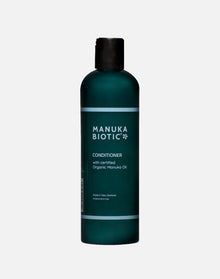

Contact Dermatitis Explained: What It Is and How to Care for Hard-Working Hands
Whether you work on the tools, wash your hands constantly, or are exposed to harsh chemicals, contact dermatitis is a skin condition many people experience. Redness, dryness, cracking, and irritation are not only uncomfortable but can interfere with daily work and quality of life.
This article explains what contact dermatitis is, why it occurs so often on the hands, and how consistent, barrier-focused care - including the use of certified organic Mānuka oil infused skincare - can help support skin recovery.
What Is Contact Dermatitis?
Contact dermatitis is a form of skin inflammation that occurs when the skin reacts to substances it comes into contact with. It commonly presents as red, dry, itchy, or cracked skin, particularly on the hands and forearms.
There are two main types:
• Irritant contact dermatitis, caused by repeated exposure to substances such as soaps, detergents, sanitiser, solvents, cement, or cleaning chemicals
• Allergic contact dermatitis, where the immune system reacts to a specific allergen after contact
People who work in trades, healthcare, hospitality, cleaning, food preparation, and manufacturing are at higher risk due to frequent hand washing and chemical exposure.
Why Contact Dermatitis Commonly Affects the Hands
The outer layer of the skin acts as a protective barrier that prevents moisture loss and blocks irritants. Repeated washing, abrasive materials, and chemical exposure strip away the skin’s natural oils and damage this barrier.
Once the barrier is compromised:
• Moisture escapes more easily
• Irritants penetrate deeper into the skin
• Inflammation and dryness increase
• Cracking and discomfort become more likely
Without proper care, this cycle can continue and worsen over time.
Common Symptoms of Contact Dermatitis
Symptoms can vary in severity and may include:
• Redness and inflammation
• Dry, rough, or flaky skin
• Tightness or burning sensations
• Cracks or fissures in the skin
• Occasional blistering or oozing in severe cases
Hands are particularly vulnerable due to constant exposure and limited recovery time between irritant contact.
Managing Contact Dermatitis in Everyday Life
The foundation of managing contact dermatitis involves reducing exposure where possible and supporting the skin barrier.
Common recommendations include:
• Wearing protective gloves when handling chemicals
• Using mild, fragrance-free cleansers
• Avoiding unnecessary sanitiser use
• Moisturising frequently throughout the day
Moisturisers and barrier creams are essential because they help restore hydration and support the skin’s protective function.
Why Certified Organic Mānuka Oil Is Used in Hand Care
From a skincare science perspective, ingredient choice is critical when skin is already compromised.
Certified organic Mānuka oil, derived from the leaves of the Mānuka tree native to New Zealand, has been widely studied for its skin-supporting properties. It is valued in topical skincare for its ability to support skin exposed to bacteria while remaining gentle enough for sensitive and irritated skin.
In hand care formulations, certified organic Mānuka oil helps to:
• Support the skin barrier during periods of stress
• Calm irritated and reactive skin
• Assist in maintaining a healthy skin environment
• Complement hydration and barrier-repair ingredients
Using certified organic Mānuka oil ensures purity, consistency, and the absence of synthetic pesticide residues, which is especially important for skin already affected by dermatitis.

Supporting Hard-Working Skin With Barrier-Focused Hand Cream
Hands exposed to frequent washing and harsh environments need more than basic moisturisation.
A well-formulated restorative hand cream that includes certified organic Mānuka oil works by:
• Rehydrating dry, cracked skin
• Supporting recovery of the skin barrier
• Reducing surface irritation and tightness
• Improving overall skin comfort and resilience
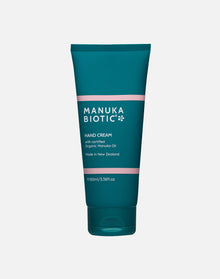
Manuka Biotic’s hand cream is designed specifically for people whose hands are under constant stress. It absorbs quickly, does not leave a greasy residue, and is suitable for repeated daily use in work environments.
Practical Skin Protection Tips for Work Environments
Use Gentle Cleansers
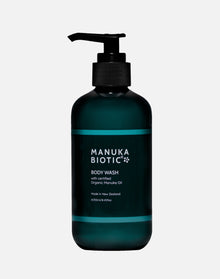
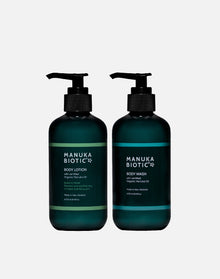
Harsh soaps can strip essential lipids from the skin. Choose mild cleansers wherever possible. Our Calming Body Wash is a fantastic hand wash that is both antibacterial but gentle on the skin barrier.
Moisturise After Every Wash
Applying hand cream immediately after washing helps lock in moisture before the skin dries out.
Protect Without Over-Occluding
Gloves are important for protection, but prolonged occlusion can worsen irritation. Allow hands to breathe when possible.
Patch Test New Products
Always test new skincare products on a small area before regular use, particularly if your skin is reactive.
A Simple Daily Hand Care Routine
-
Cleanse hands gently
-
Pat dry rather than rubbing
-
Apply hand cream immediately
-
Reapply throughout the day, especially after washing
Consistency is key. Supporting the skin barrier daily helps reduce flare-ups and improve long-term comfort.
Contact Dermatitis Affects Everyone
Contact dermatitis affects people across all genders and professions, particularly those exposed to frequent hand washing and harsh substances. Supporting the skin barrier with consistent care, protective habits, and a well-formulated hand cream containing certified organic Mānuka oil can make a meaningful difference in skin comfort and resilience.
Healthy skin supports hard work - and daily care helps keep hands functioning at their best.
When to Seek Medical Advice
If contact dermatitis becomes severe, painful, or infected, or does not improve with routine care, a healthcare professional should be consulted. Persistent dermatitis may require identification of specific allergens or additional medical management.
Sources
-
DermNet NZ - Contact Dermatitis
Comprehensive clinical overview of contact dermatitis symptoms, causes, and general management.
https://dermnetnz.org/topics/contact-dermatitis/ -
Healthdirect Australia - Contact Dermatitis
Authoritative public health resource explaining contact dermatitis, triggers, and symptom care.
https://www.healthdirect.gov.au/contact-dermatitis -
Australian Government Department of Health - Skin Conditions
Government resource confirming contact dermatitis as a common skin condition and outlining general supportive strategies.
https://www.health.gov.au/health-topics/skin-conditions -
Mayo Clinic - Contact Dermatitis
Detailed medical reference on contact dermatitis, including causes, risk factors, and treatments.
https://www.mayoclinic.org/diseases-conditions/contact-dermatitis/diagnosis-treatment/drc-20352748 -
National Center for Biotechnology Information (NCBI) - Skin Barrier Function
Research overview on the role of the skin barrier and how it’s affected by irritants and cleansers.
https://www.ncbi.nlm.nih.gov/books/NBK279396/ -
International Journal of Aromatherapy - Mānuka and Kānuka Essential Oils (Maddocks-Jennings et al.)
Peer review analysis on the properties of Mānuka oil and its traditional uses in skin care.
Maddocks-Jennings W., et al. A fresh look at Mānuka and Kānuka essential oils from New Zealand. (Note: Journal discontinued but widely cited in aromatherapy research) -
American Academy of Dermatology - Contact Dermatitis. https://www.aad.org/public/diseases/eczema/types/contact-dermatitis/causes
-
British Journal of Dermatology / NCBI - Skin Barrier and Irritants
Studies outlining how repeated washing and chemical exposure impact the skin barrier.
https://www.ncbi.nlm.nih.gov/pmc/articles/PMC6289430/