
Molluscum Contagiosum in Children
A Practical, Science-Led Skin Care Guide for Parents
Molluscum contagiosum is a common viral skin condition in children. While it is medically harmless in most cases, it can be frustrating for families due to its appearance, contagious nature, and how long it can take to resolve.
This guide explains what molluscum contagiosum is, why it affects children, how it spreads, and how parents can support their child’s skin using gentle, barrier-focused skincare while the immune system does its work.
What Is Molluscum Contagiosum?
Molluscum contagiosum is a viral skin infection caused by a poxvirus. It appears as small, raised, dome-shaped lesions that often have a central white or pearly core. Lesions may appear individually or in clusters and commonly affect the arms, legs, torso, face, and areas of skin friction.
Molluscum is generally not painful. However, lesions can become itchy, inflamed, or irritated, particularly if scratched or if the surrounding skin barrier is compromised.
Is Molluscum Contagiosum Serious?
In healthy children, molluscum contagiosum is considered a self-limiting condition. This means the immune system will eventually clear the virus without medical treatment.
The main challenges for parents are managing:
• Skin irritation and itch
• Spread to other areas of the body
• Secondary infection due to scratching
• Emotional distress related to appearance
How Molluscum Contagiosum Spreads
Molluscum spreads through:
• Direct skin-to-skin contact
• Shared towels, clothing, or bedding
• Autoinoculation, where scratching spreads the virus to nearby skin
Children are particularly susceptible due to close contact during play. Research also shows that children with atopic eczema are more likely to develop molluscum, as a weakened skin barrier allows easier viral entry.
Why Medical Treatments Are Often Avoided in Children
Although treatments such as cryotherapy, curettage, or topical agents exist, they are often not recommended for young children.
Reasons include:
• Pain and distress
• Risk of scarring
• Limited evidence that treatment shortens duration
• Molluscum usually resolves naturally
For this reason, many healthcare professionals recommend a conservative approach focused on skin care, hygiene, and comfort.
The Importance of Skin Barrier Support
From a skin science perspective, molluscum thrives where the skin barrier is impaired.
Supporting the skin barrier helps to:
• Reduce dryness and irritation
• Minimise scratching and spread
• Lower the risk of secondary infection
• Keep surrounding skin healthy while lesions resolve
This makes gentle, consistent skincare one of the most important tools parents can use.
Why Mānuka Oil Is Used in Skin Support
Mānuka oil is derived from the leaves of the Mānuka tree native to New Zealand and has been widely studied for its antimicrobial and skin-supportive properties.
In skincare, Mānuka oil is valued because it:
• Supports skin exposed to bacteria
• Helps calm irritated and reactive skin
• Is suitable for sensitive and compromised skin when used correctly
Manuka Biotic uses certified organic Mānuka oil, ensuring purity and consistency suitable for family skincare.
The Molluscum Bundle
A Gentle, Barrier-Focused Routine for Families
The Manuka Biotic Molluscum Bundle was developed to support children’s skin during molluscum using a simple, non-invasive daily routine.

What’s Included in the Molluscum Bundle
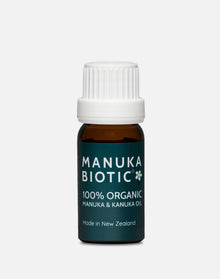
Mānuka Oil
Used as a targeted application to individual molluscum spots using a cotton tip, allowing precise use without irritating surrounding skin.
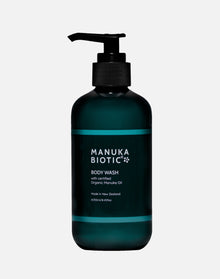
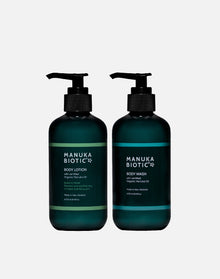
Calming Body Wash
A gentle cleanser that helps keep skin clean without stripping the natural skin barrier.
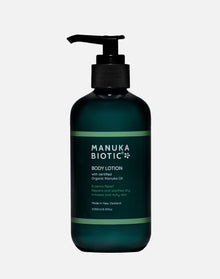
Eczema Relief Body Lotion
A barrier-supportive lotion designed to hydrate, soothe, and reduce dryness and itch, helping to protect surrounding skin.
How to Use the Molluscum Bundle

Step 1: Patch Test
Always perform a patch test before first use to ensure skin tolerance.
Step 2: Cleanse Gently
Use the Calming Body Wash during bathing to cleanse skin without irritation. Apply Mānuka oil directly to molluscum lesions using a cotton tip. Avoid rubbing or spreading.
Step 3: Target Individual Spots
Apply Mānuka oil directly to molluscum lesions using a cotton tip. Avoid rubbing or spreading.
Step 4: Moisturise Daily
Apply Eczema Relief Body Lotion after bathing to maintain hydration and support the skin barrier.
Step 5: Reduce Spread
Keep nails short, discourage scratching, and avoid sharing towels or clothing.
How Long Does Molluscum Contagiosum Last?
Individual lesions may resolve within weeks, but new lesions can appear over time. Complete resolution typically occurs within 6 to 18 months naturally, depending on the child’s immune response. Using the bundle resolution can occur from 10- 18 weeks.
Redness and inflammation often increase just before lesions disappear, which is a normal immune response.
Children can usually continue school, daycare, and swimming with appropriate hygiene measures.
Possible Complications to Watch For
While uncommon, complications may include:
• Eczema flare-ups around lesions
• Secondary bacterial infection
• Lesions near the eyes requiring medical review
Scarring is rare when lesions resolve naturally, although temporary pigment changes may occur.
A Calm, Supportive Approach for Parents
Molluscum contagiosum can require patience, but aggressive treatment is rarely necessary. A consistent routine focused on hygiene, hydration, and skin barrier support is often the most practical and child-friendly approach.
The Manuka Biotic Molluscum Bundle is designed to support families through this process, helping keep skin comfortable while the body clears the virus naturally.
SOURCES
1.https://www.cdc.gov/poxvirus/molluscum-contagiosum/transmission.html
2. Maddocks-Jennings, W. et al. (2005) A fresh look at manuka and Kanuka Essential Oils from New Zealand, International Journal of Aromatherapy. No longer published by Elsevier. Available here.
3. Hon A/Prof Amanda Oakley, Dermatologist, Hamilton, New Zealand, 1997. Updated by Dr. Amanda Oakley and Dr. Daniela Vanousova, Dermatologist, Czech Republic, in September 2015. Published by DermNet NZ Revision August 2021. Available here.
4. Olsen JR, Piguet V, Gallacher J, Francis NA. Molluscum contagiosum and associations with atopic eczema in children: a retrospective longitudinal study in primary care. Br J Gen Pract. 2016;66(642):e53-8. doi:10.3399/bjgp15X688093. Journal