
Just when you think your child's molluscum is improving, another group of little bumps appears.
Sound familiar?
For many parents, molluscum contagiosum feels like an endless game of whack-a-mole. One spot settles, another appears, and suddenly you're wondering whether you're doing something wrong.
The reassuring news is that this pattern is common. Understanding why molluscum spreads can help you protect your child's skin and make everyday care a little less frustrating.
What Is Molluscum Contagiosum?
Molluscum contagiosum is a common viral skin infection, particularly among young children.
It causes small, raised, rounded bumps that may have a tiny dimple in the centre. Some children develop only a handful of spots, while others develop many.
Although the bumps can look concerning, molluscum is usually harmless and often clears naturally as the immune system responds to the virus.
Why Does Molluscum Keep Spreading?
One reason is a process called self-inoculation, also known as autoinoculation.
This happens when the virus is transferred from an existing molluscum spot to another area of the same person's skin.
It can occur through:
-
Scratching or rubbing existing bumps.
-
Picking or squeezing the spots.
-
Touching lesions and then touching unaffected skin.
-
Sharing contaminated towels or face washers.
-
Close skin-to-skin contact.
Children with itchy or eczema-prone skin may be particularly vulnerable because scratching can disrupt the skin barrier.
Why Do New Spots Appear When Others Are Disappearing?
Molluscum spots do not always appear at the same time.
Some bumps may have been developing beneath the surface before they become noticeable. This means new spots can appear even while older ones are beginning to resolve.
A fresh outbreak does not necessarily mean the condition is getting worse or that your skincare routine has failed.
Why Scratching Makes Molluscum More Difficult
Scratching can transfer the virus to nearby skin and increase the risk of irritation or secondary bacterial infection.
Keeping fingernails short, encouraging children not to pick their spots, and protecting particularly itchy areas can help.
Where appropriate, breathable clothing or suitable dressings can reduce direct contact with lesions.
The Importance of Gentle Skincare
When a child has molluscum, caring for the surrounding skin is important, particularly when dryness and itching are present.
A simple routine can include:
-
Gently cleansing the skin with a mild body wash.
-
Patting the skin dry rather than rubbing.
-
Applying a suitable moisturiser to dry or eczema-prone areas.
-
Avoiding harsh scrubs, picking and unnecessary friction.
The aim is to keep the skin comfortable and minimise irritation while the infection follows its natural course.
Supporting Dry, Sensitive Skin with Manuka Biotic
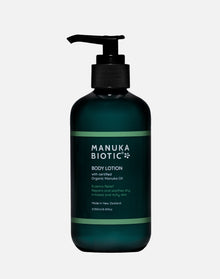
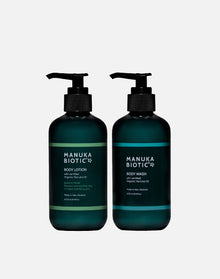
Manuka Biotic's Eczema Relief Body Lotion is formulated with certified organic Manuka oil alongside ingredients including jojoba oil, rosehip oil and shea butter.
It is designed to help moisturise and soothe dry, eczema-prone skin.
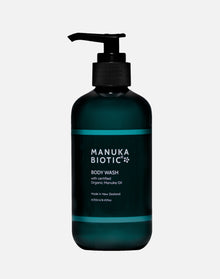
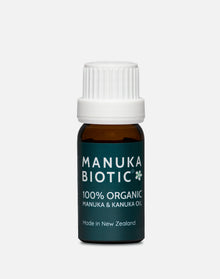
For families wanting a simple cleansing and moisturising routine, explore our Molluscum Bundle, which brings together our Calming Body Wash, Eczema Relief Body Lotion and Certified Organic Manuka Oil.
These skincare products are not established treatments for eliminating the molluscum virus.
How Long Does Molluscum Last?
Molluscum can persist for months, and sometimes longer than a year.
Every child's experience is different. Some develop only a few bumps, while others experience repeated crops of spots.
It is understandable to feel frustrated, particularly when the condition affects sleep, comfort or confidence.
Frequently Asked Questions
Does a new molluscum breakout mean treatment isn't working?
Not necessarily. New lesions can appear as part of the natural course of infection. However, skincare products should not be assumed to control or clear the virus.
Can molluscum spread to siblings?
Yes. Avoid sharing towels, face washers and clothing, and encourage regular handwashing.
Should I squeeze the molluscum spots?
No. Squeezing or picking can spread the virus and increase the risk of infection.
Can my child still attend school or childcare?
Generally, yes. Molluscum does not usually require exclusion from school or childcare. Follow any applicable hygiene and covering advice.
When should I seek medical advice?
Consult a healthcare professional if spots become very painful, hot, swollen or produce pus; if they are close to the eyes or genitals; if the diagnosis is uncertain; or if your child has significant eczema or immune-system concerns.
A Final Word for Parents
Molluscum can be frustrating precisely because progress isn't always straightforward.
Try to focus on what you can control: gentle cleansing, protecting the skin from scratching, avoiding shared towels and maintaining a comfortable skincare routine.
One day at a time. One less scratch. One gentler routine.
Explore Manuka Biotic Skincare
Discover our Molluscum Bundle and Eczema Relief Body Lotion.

Research and further reading
This article provides general skincare and health information and does not replace individual medical advice.